
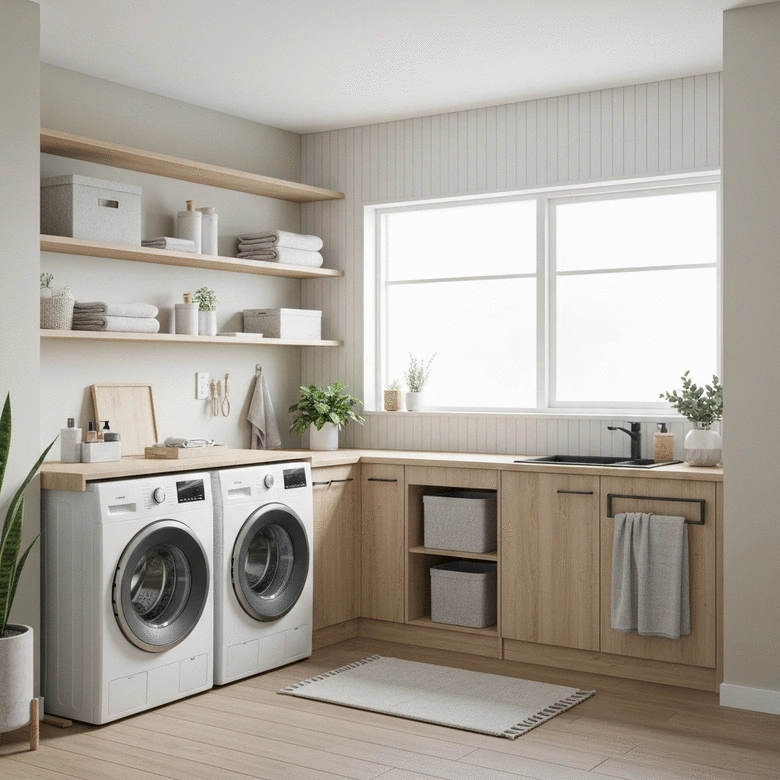
Laundry Renovation Ideas for Space
Transforming your laundry room can feel overwhelming, but it doesn't have to be! With the right approach, you can create a space that not only enhances functionality but also reflects your personal style. Are you ready to elevate your laundry experience? Let’s dive into some practical takeaways!
What You Will Learn
- Prioritize functionality: Design your laundry room layout to support your workflow and make laundry tasks more efficient.
- Choose a layout that fits your space: Consider options like side-by-side, stacked units, or closet-style setups based on your needs.
- Incorporate your personal style: Select colors and materials that resonate with your taste while enhancing the overall aesthetics.
- Set a clear budget and define your needs: Knowing what features are essential will guide your renovation process and help manage costs.
Laundry Room Renovation Strategies: Key Considerations
Transforming your laundry room involves careful consideration of functionality, aesthetics, and efficiency. Below is a comparison of common layout types and critical factors for successful renovation planning. For a deeper understanding of comprehensive home improvements, explore our complete guide to home renovation.
Importance of Effective Design
- •Functionality: Every aspect serves a purpose.
- •Aesthetics: Reflects personal style & home theme.
- •Efficiency: Streamlined workflow saves time.
Common Laundry Layouts
- •Side-by-Side: Easy access to washer & dryer.
- •Stacked Units: Ideal for smaller spaces, frees floor area.
- •Closet Style: Hides appliances when not in use.
Creating Your Renovation Plan
- •Define Your Needs: Storage, efficient workflow.
- •Set a Budget: Guides material & appliance choices.
- •Prioritize Features: Essential vs. later additions.
Engaging Professionals vs. DIY
- •Complexity: Professionals for plumbing/electrical.
- •Time: Experts save time with busy schedules.
- •Skill Level: DIY for cosmetic changes, pro for technical.
Transforming Your Laundry Room: Practical Ideas for Space and Functionality
When it comes to laundry room renovations, combining functionality and aesthetics is key. A well-designed laundry room not only enhances the overall appearance of your home but also transforms the way you approach your laundry tasks. Imagine walking into a space that feels both inviting and efficient—this is what we aim to achieve at GCB Constructions!
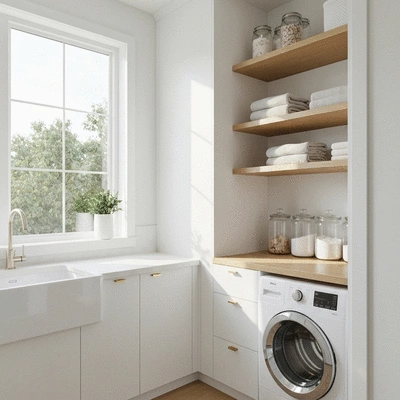
Effective design starts with understanding how you use the laundry room. Consider your daily routine. Are you constantly juggling laundry loads while trying to access supplies? By prioritizing functionality, we can create a space that supports your workflow, making laundry day feel less like a chore and more like a breeze!
Understanding the Importance of Effective Laundry Room Design
Your laundry room should be more than just a utilitarian space. It’s an area where you can express your style while ensuring that everything has its place. A thoughtfully designed laundry room can significantly improve your home's appeal and even increase its value. Here are some factors to consider:
- Functionality: Ensure that every aspect serves a purpose, from the placement of appliances to the layout of storage.
- Aesthetics: Choose colors and materials that resonate with your personal style and the overall theme of your home.
- Efficiency: Streamlined workflows can save time and reduce frustration, allowing you to manage laundry with ease.
At GCB Constructions, we believe that every renovation should reflect your unique needs while enhancing the overall flow of your home. By integrating these elements, we can help you achieve a laundry space that truly works for you! For further insights into planning your renovation, take a look at our step-by-step house renovation checklist.
Identifying Your Space: Assessing Laundry Room Layouts
Before diving into renovations, it’s essential to take stock of your current laundry room layout. Common configurations include side-by-side, stacked, or even closet-style setups. Each layout offers different benefits depending on your available space.
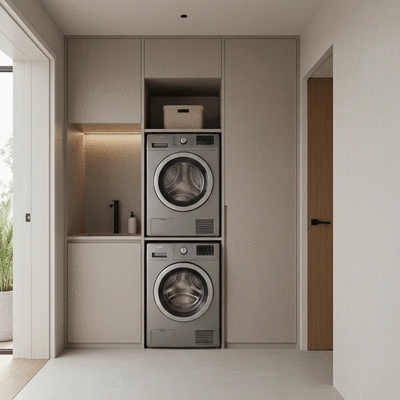
- Side-by-Side Layout: This classic design allows for easy access to both the washer and dryer, making laundry tasks straightforward.
- Stacked Units: Perfect for smaller spaces, stacking your appliances can free up valuable floor area.
- Closet Style: For those with limited space, a closet-style laundry can be a great way to hide appliances when not in use.
By evaluating your existing setup, you can identify what works and what needs improvement. I often encourage homeowners to think about their specific needs, as this will inform the design choices that follow. A well-thought-out layout will not only enhance functionality but also make your laundry room a more pleasant place to be.
Pro Tip
Did you know? Incorporating vertical storage solutions can dramatically enhance the functionality of your laundry room. Consider using shelving above your appliances or wall-mounted baskets to keep supplies organized and easily accessible, freeing up valuable floor space!
Recap of Key Laundry Renovation Strategies
Transforming your laundry room can significantly enhance both its functionality and aesthetic appeal. Throughout this article, we’ve explored various strategies to make the most of your space, ensuring it meets your everyday needs while reflecting your personal style. From innovative storage solutions to the incorporation of multi-functional furniture, each idea aims to streamline the laundry process and make the space more enjoyable.
In summary, we discussed the importance of effective design, maximizing vertical space, and investing in compact appliances. These elements work together to create a laundry room that is not only practical but also inviting. Remember, the goal is to create a space that feels less like a chore and more like a comfortable extension of your home!
Next Steps for Your Laundry Room Renovation
Creating Your Renovation Plan: What to Consider
Now that you're equipped with some fantastic ideas, let’s talk about how to create your renovation plan. Start by assessing your current laundry space and identifying what changes you’d like to implement. Here are some key points to consider:
- Define Your Needs: Identify what you need most in your laundry room, such as additional storage or a more efficient workflow.
- Set a Budget: Determine how much you’re willing to invest in the renovation. This will guide your decisions on materials, appliances, and labor.
- Prioritize Features: Decide which features are essential and which can be added later. This will help you stay within budget while still achieving a satisfying transformation.
Once you’ve mapped out these elements, it’s time to dive into the specifics of your design. Visualize how you want the space to feel and function, and don't hesitate to incorporate your personal style into the mix!
Engaging Professionals vs. DIY: Making the Right Choice
As you move forward with your renovation, one crucial decision you'll face is whether to hire professionals or tackle the project yourself. It’s important to evaluate your skills and the scope of your renovation. Here are some factors to consider:
- Complexity of the Project: If your renovation involves plumbing or electrical work, it’s wise to consult a professional.
- Time Commitment: Consider how much time you can devote to the project. If you have a busy schedule, hiring experts might save you time and stress.
- Skill Level: Assess your own skills. If you’re confident in DIY tasks, you might enjoy the hands-on approach and save on labor costs.
At GCB Constructions, I often advise homeowners to blend both approaches for the best results. Perhaps you can handle the cosmetic changes while leaving the more technical aspects to the professionals. Whatever you decide, clear communication and planning will ensure a smooth renovation experience! For information on managing your renovation costs, consider reading about home renovation hidden costs explained.
Frequently Asked Questions About Laundry Room Renovations
What are the key benefits of renovating a laundry room?
Renovating your laundry room enhances functionality, improves aesthetics, increases efficiency in daily tasks, and can boost your home's overall value and appeal.
What are the most common laundry room layouts?
The most common layouts include side-by-side (traditional access to washer/dryer), stacked units (ideal for small spaces), and closet-style (hides appliances when not in use).
How do I create a renovation plan for my laundry room?
Start by defining your specific needs (e.g., storage, workflow), set a realistic budget, and prioritize essential features to guide your material, appliance, and labor choices.
Should I hire professionals or do a DIY laundry room renovation?
The decision depends on the project's complexity, your time commitment, and skill level. For plumbing or electrical work, professionals are recommended. DIY is suitable for cosmetic changes, but a blended approach can often yield the best results.
How can I maximize space in a small laundry room?
To maximize space, consider stacked washer and dryer units, incorporate vertical storage solutions like shelving or wall-mounted baskets, and opt for multi-functional furniture where possible.
Share Your Thoughts and Experiences
I’d love to hear your thoughts! Have you recently renovated your laundry room, or are you planning to? Share your experiences or any questions you have about the renovation process in the comments below. Engaging with our community not only enriches our knowledge but also inspires others as they embark on their own renovation journeys!
Recap of Key Points
- Prioritize Functionality: Ensure every element in your laundry room serves a purpose to streamline your workflow.
- Choose Aesthetics Wisely: Select colors and materials that reflect your style while complementing your home’s overall theme.
- Maximize Space Efficiency: Use vertical space and compact appliances to enhance functionality in smaller areas.
- Assess Your Needs: Clearly define what you want from your laundry room, including storage and workflow requirements.
- Consider Professional Help: Evaluate whether to engage professionals for complex tasks or tackle simpler DIY projects on your own.