

Understanding the Core Features of Modern Productivity Suites
In the rapidly evolving landscape of digital workspaces, productivity suites have transitioned from simple document editors to comprehensive ecosystems designed to streamline collaboration and project management. These platforms now integrate artificial intelligence, real-time cloud synchronization, and cross-platform compatibility to ensure that teams can work effectively regardless of their physical location or device preference. The shift toward integrated workflows means that users no longer need to toggle between disparate applications for email, chat, and task tracking.
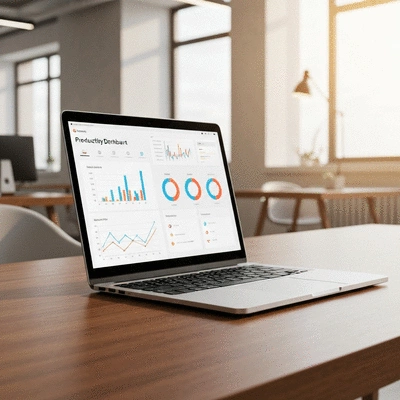
Central to these modern suites is the concept of a unified interface. When a user opens their dashboard, they are greeted with a centralized view of their upcoming meetings, pending tasks, and recent document activity. This architectural approach minimizes cognitive load by presenting relevant information within a single pane of glass. Furthermore, the implementation of advanced search capabilities allows users to locate specific files or message threads across the entire ecosystem with minimal effort, significantly reducing time wasted on manual navigation.
Security remains a paramount concern for organizations adopting cloud-based productivity tools. Manufacturers have responded by implementing multi-factor authentication, end-to-end encryption, and granular permission controls. These features ensure that sensitive corporate data remains protected while still allowing for the seamless sharing of information between authorized stakeholders. Compliance with international data protection standards such as GDPR and CCPA is now a standard expectation, providing peace of mind for both administrators and end-users alike.
As we delve deeper into the specific functionalities, it becomes clear that customization is a key differentiator in the market. Many platforms now offer extensive API support and third-party integrations, allowing businesses to tailor their digital environment to their specific industry needs. Whether it is connecting a CRM system to a communication channel or automating repetitive data entry tasks through custom scripts, the flexibility of modern suites ensures they can grow alongside the organization.

The role of artificial intelligence within these tools cannot be overstated. From smart composition features that suggest text as you type to automated scheduling assistants that find the best time for a meeting, AI is quietly enhancing efficiency. These intelligent systems learn from user behavior over time, becoming more adept at prioritizing notifications and surfacing the most important documents at the start of the workday. This proactive assistance allows professionals to focus on high-value creative tasks rather than administrative overhead.
Looking ahead, the future of productivity software appears to be rooted in even deeper integration and more intuitive user experiences. As virtual and augmented reality begin to enter the workplace, we can expect productivity suites to adapt by offering immersive collaborative environments. For now, the focus remains on refining the existing tools to be faster, more reliable, and more accessible to a global workforce that demands flexibility and power in equal measure.